The Guest Bathroom Nobody Used: Priming Dry Traps Before Holiday Company Arrives

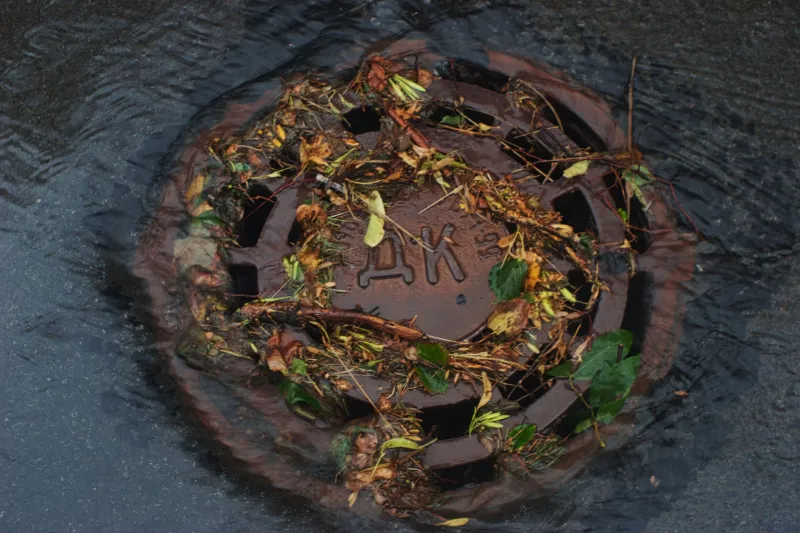
Photo: Basile Morin, CC BY-SA 4.0, via Wikimedia Commons
The spare bathroom is easy to forget. The door stays shut, the faucet stays off, and the tub collects a thin film of dust. Then late November rolls around, family starts planning the drive in, and someone opens that door to a faint, sour, unmistakable smell. It isn't always a clog. Often, it's a dry trap.
Every sink, tub, shower, and floor drain in your home has a curved section of pipe underneath called a trap. That curve is supposed to hold a small plug of water — usually somewhere between one and three inches — that acts as a barrier between your drain and the sewer line. When water sits there, sewer gas stays where it belongs. When the water disappears, the barrier disappears with it.
Why a drain that sits still starts to smell
In a bathroom that gets used daily, the trap refills every time someone washes their hands or takes a shower. In a guest bath, that may not happen for weeks or months. Water evaporates. Mercer's dry indoor air during heating season speeds the process along, and a bathroom with a sunny window or a nearby heat register can lose its seal faster than you'd expect.
Once the trap is dry, the pipe is essentially an open channel to the sewer. The result is that familiar rotten-egg or musty odor, sometimes strongest right when you open the door after the room has been closed up. It's not a sign that something is wrong with the whole plumbing system, but it is a sign that the drain needs water — and, just as importantly, a reminder to check whether anything else is going on.
Dry traps are most common in rooms that see little traffic: guest bathrooms, basement floor drains, laundry standpipes, utility sinks, and the drain pan under a water heater. Older Mercer homes sometimes have floor drains tucked into corners of basements or additions that haven't seen water since the last load of laundry was run.
The fixtures most likely to go dry
Before holiday company shows up, it helps to know where to look. The usual suspects are:
- The guest sink — especially if the faucet gets used only when someone is visiting.
- The guest tub or shower — a tub drain can lose its seal quietly, and a shower that hasn't run in months may also have a dry trap beneath it.
- Basement and utility floor drains — common in older homes, and easy to overlook because they're out of sight.
- The laundry standpipe — if the washer sits idle for long stretches, the standpipe trap can dry out too.
- A water heater drain pan or condensate line — less obvious, but worth a glance if the smell seems to come from a utility area.
Toilets are a little different. Their traps hold more water and are refilled every time the toilet is flushed, so they dry out less often. Still, a toilet in a truly unused bathroom can develop a low water level over time, and a faint smell near the bowl is worth investigating.
A simple priming routine before guests arrive
Priming a dry trap is mostly about putting water back where it belongs — and doing it in a way that actually refills the trap instead of splashing past it.
Start with the guest sink. Run both hot and cold water for 30 to 60 seconds. That refills the trap and also moves stale water out of the supply lines, which is a nice bonus if the faucet has been idle. Then move to the tub or shower and let it run for a minute or two.
For floor drains, pour water in slowly — a pitcher works better than a bucket dumped all at once. A gentle pour is more likely to settle into the trap rather than spill across the floor. If the drain has a removable grate, lift it first so you can see what you're working with.
After priming, give the room a few minutes and check the smell again. A dry trap usually improves quickly once water is back in the curve. If the odor lingers or returns within a day or two, that's a clue to look deeper.
Some homeowners add a small amount of mineral oil to a floor drain after priming to slow evaporation. It can help in a drain that sits for months, but it isn't a substitute for fixing a trap that's damaged, missing, or improperly vented. If you're unsure, keep it simple: water first, and call for advice if the smell doesn't clear.
When the smell is more than a dry trap
Priming is a reasonable first step, but it isn't a cure-all. Stop pouring water and call a professional if you notice any of the following:
- The sewer smell comes back within a day or two of priming.
- More than one fixture in the house smells, or the odor shows up in rooms without a drain nearby.
- Drains gurgle, bubble, or empty slowly.
- A toilet bubbles when you run the sink or washing machine.
- You see standing water, damp patches, or staining near a floor drain.
- The smell is strongest after rain or after heavy water use.
- You notice a cracked or loose pipe, a missing trap, or corrosion under a sink.
Those signs can point to a venting problem, a partial blockage, a broken pipe, or a trap that was never installed correctly — issues that water alone won't solve. Sewer gas isn't something to live with while you wait and see. A quick inspection is cheaper than a holiday headache.
A little water goes a long way
The simplest prevention is also the least glamorous: use the spare bathroom now and then. A monthly minute at the faucet, a quick run of the tub, and a slow pour down the basement floor drain can keep traps sealed and odors from building up between visits. If you're expecting company, add it to the pre-holiday checklist right alongside fresh towels and a new bar of soap.
A dry trap is one of the few plumbing problems that's genuinely easy to head off. Give the guest bathroom a little attention before the doorbell rings, and the only thing your visitors will notice is how calm the house feels.