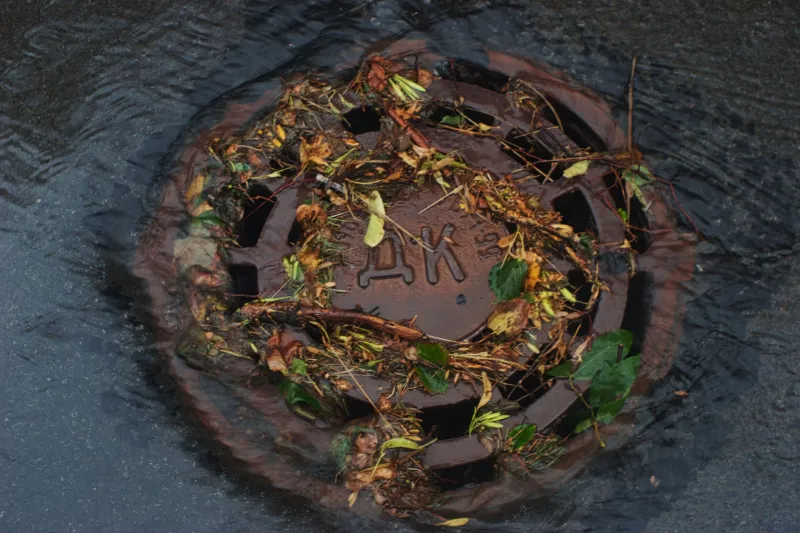
The Hidden Drain Bill Under Older Mercer Basements — and How to Catch It Early
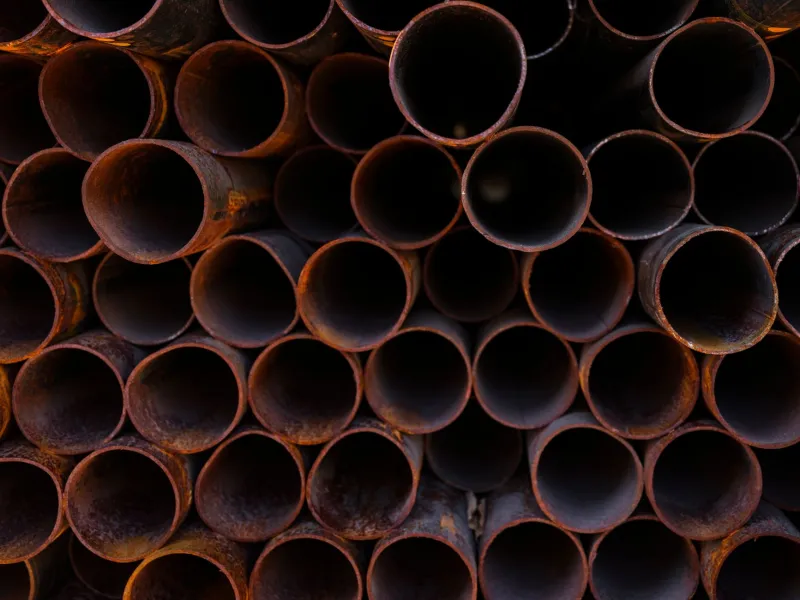
Under a lot of older Mercer basements, the drain line is not a mystery. It is just out of sight. Cast iron, clay tile, and early plastic pipe were installed during different waves of local home building, and each material fails in its own way. The trouble is that most of us only think about that pipe when the floor drain backs up, the laundry sink will not empty, or a plumber says the word excavation.
A little awareness goes a long way. The goal here is not to scare you into a project. It is to help you read the warning signs, know what you can check safely, and understand when a camera inspection is a smart spend instead of an upsell.
What Older Mercer Homes Are Actually Buried With
Cast iron was common in older homes built before the 1970s. It is strong, but it does not last forever. The inside of the pipe can scale and rust, which narrows the opening and gives waste more places to catch. Joints can fail, and pinhole leaks can develop. Rust-colored water around a basement drain, recurring backups in the same spot, and a line that seems to drain slower every year are all clues worth writing down.
Clay tile was used in many older sewer laterals. It is basically a run of short pipe sections, and tree roots are very good at finding the joints. Roots do not need a big opening. A hairline gap is enough. Clay can also crack, shift, or sag over time. If your basement backs up after heavy rain, or if the yard has a soggy strip above the sewer line, infiltration and root intrusion are both possibilities.
Early plastic pipe from the 1970s and 1980s is not automatically a problem. A lot of it is still doing its job. But fittings can loosen, sections can belly or lose slope, and roots can still enter at joints. The point is not to guess by age alone. The point is to match the material with the symptoms.
Warning Signs That Deserve More Than a Plunger
One slow sink is usually a local clog. A whole-house pattern is different. Pay attention when the basement floor drain backs up after laundry, when the toilet gurgles after the shower, or when several fixtures drain slowly at the same time. That often points to the main line rather than one trap.
Also watch for rust-colored water in the basement drain, sewer odor that lingers after cleaning, damp patches near the floor drain, or backups that seem tied to rain. A clog that keeps returning in the same place is another signal. So is a cleanout cap that is hard to reach, buried under landscaping, or stuck tight.
City Main vs. Private Lateral
This is where a lot of homeowners get confused. In most Mercer-area setups, the city handles the public sewer main under the street. The private lateral is the pipe that runs from your home to that main. Homeowners are usually responsible for the lateral and the cleanout on their property. Local rules vary, so check with your public works department before assuming who owns what.
If several neighbors are having backups at the same time, that is worth a call to the city. If the problem is only in your home, start with a drain professional who can inspect the private line.
Safe Checks Before You Call
You can safely note which fixtures are affected, whether backups happen after rain or after laundry, and where the cleanout is located. Take photos. Write down dates. That information helps a pro narrow things down faster.
Do not pour chemical drain cleaner into a recurring backup. It can sit against a blockage, damage older pipe, and make the eventual repair messier. Do not force a stuck cleanout cap. Do not dig around the foundation without calling 811 first. And if sewage is backing into the basement, keep people and pets away from the area and call for help rather than trying to open the line yourself.
When a Camera Inspection Pays for Itself
A camera inspection is usually worth considering when you have had two or more backups in the same line, when a snake keeps hitting the same spot, when you are buying an older home, or when you are planning a basement finish or major landscaping. It is also useful before you approve a big repair, because it shows what is actually happening instead of what everyone suspects.
Ask for the footage and a written report that names the pipe material, the location of the problem, and whether the issue is a break, root mass, offset joint, or low spot. That report lets you compare repair bids apples to apples. A cheap snake job that fixes nothing is not a bargain if it buys you another emergency call in three months.
Budgeting for the 2026 Reality
Trenchless repair, spot repair, and full replacement have very different price tags. Get at least two written estimates, confirm licensing and insurance, and ask who pulls the permit. A planned repair this year is almost always easier to budget for than an emergency dig after a holiday weekend.
If your home is older and you have never had the lateral looked at, put it on the list. Not because every old pipe is failing, but because the ones that are failing tend to announce themselves at the worst possible time.