The Saltwater Problem Under Your Car: A Mercer Garage Drain Winter Check
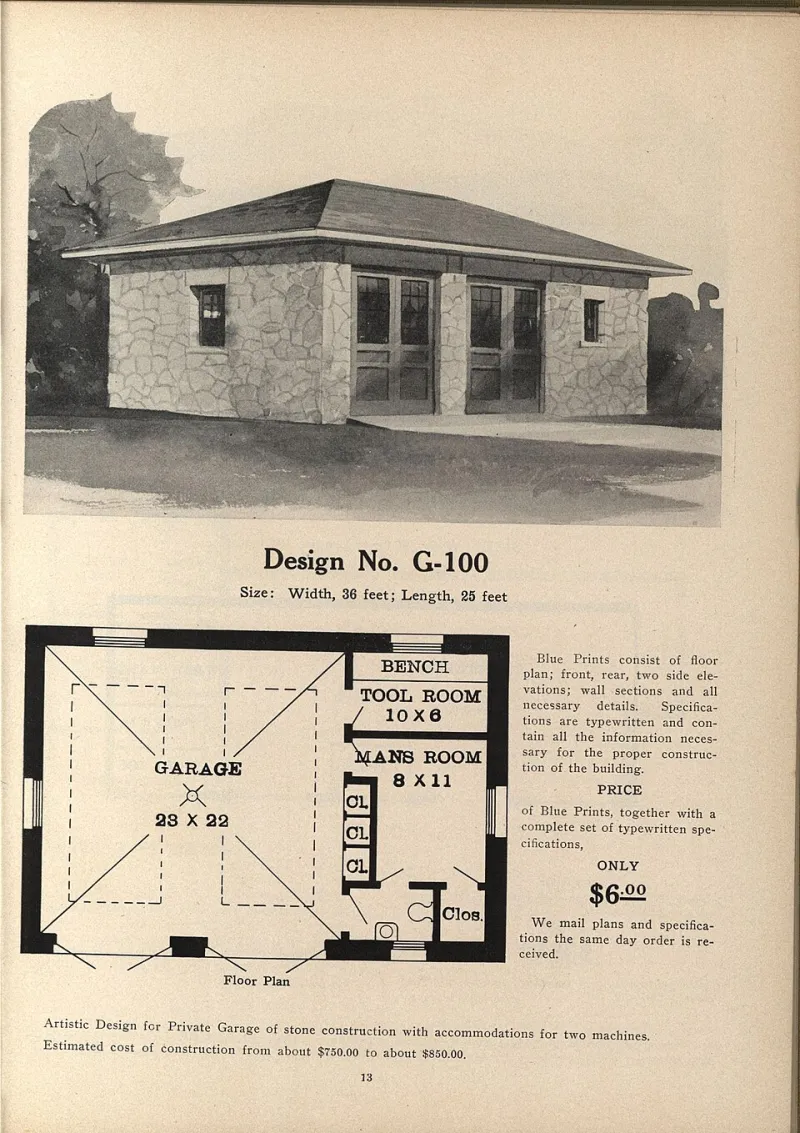
Photo: Radford, William A., No restrictions, via Wikimedia Commons
Every winter, Mercer garages collect a little bit of the road. It shows up as gray slush, a dusting of sand, and the white crust that forms when saltwater dries on concrete. Most of it gets swept aside or melts into a puddle near the garage door. Some of it finds its way to the floor drain — and that’s where a small seasonal mess can turn into a bigger plumbing headache.
The garage floor drain is one of those features that mostly goes unnoticed until it stops working. It isn’t a trash can, a paint-disposal chute, or a convenient place to hose down the whole garage. Treating it like one is a quick way to trade a winter nuisance for an odor problem, a backup, or a call to a drain pro in the middle of a cold snap.
Why That Floor Drain Deserves a Second Look
Garage floor drains are simple by design. Water rolls toward the low spot, slips through a grate, and drops into a trap before joining the household drain system. In a perfect world, that’s the whole story.
The real world, especially in the Mercer area, adds road salt, sand, gravel, and whatever else clings to the underside of a car. When that slurry washes into the drain, the heavy bits settle. Saltwater dries and leaves behind a crusty film. Over time, the drain opening can narrow, the trap can collect grit, and the whole assembly can start behaving less like a drain and more like a shallow mud puddle with a grate on top.
What Salt and Grit Actually Do Down There
Road salt doesn’t usually clog a drain by itself. It’s the travel companion that causes trouble. Sand and fine gravel sink to the bottom of the trap. Salt residue can make surfaces sticky and help smaller particles clump together. Add a few leaves, a stray zip tie, or a wad of winter debris, and the drain has something to grab onto.
That matters because a garage floor drain often handles small amounts of water at a time. It isn’t like a shower drain that gets a daily rinse. Long stretches of low use give debris plenty of time to settle and dry in place. A drain that looked fine in October can be noticeably slower by January — or worse, it can start sending a musty smell into the garage and nearby rooms.
The Trap: Your Drain’s Built-In P-Trap
Under the floor, a garage drain typically has a trap that holds a small amount of water. That water seal is the barrier that keeps sewer gas from drifting back up through the grate. It’s a quiet little piece of plumbing doing an important job.
In a garage, that trap has two seasonal enemies. The first is grit. If enough sand and sludge collect in the trap, water can’t move through properly, and the drain backs up or drains slowly. The second is dryness. If the floor drain sees very little use, the water in the trap can evaporate. Once the seal is gone, odors have an open path into the garage.
That’s why a garage that smells faintly “off” after a cold, dry stretch isn’t necessarily hiding something dramatic. It may just have a floor drain with a trap that needs water — or a trap that’s half full of winter grit.
A Five-Minute Pre-Winter Check
Before the salt trucks become a daily sight, take a quick walk around the garage. You don’t need special tools. A flashlight, a bucket of water, and a drain screen are enough to learn a lot.
Start by lifting the grate, if it comes up easily. Shine the light down the drain. You’re not looking for perfection — just obvious problems. A mat of leaves, a collection of sand, or standing water that doesn’t move is a sign the drain needs attention. If the grate is stuck or the drain is full to the top, leave it alone and call for help rather than forcing anything.
Next, look at the floor around the drain. Is there a low spot where water pools? Does the concrete slope toward the drain, or has it settled over the years? A drain can only do its job if water can reach it.
The Bucket Test, Step by Step
Pour a bucket of water into the drain at a steady pace. Watch how it behaves. A healthy garage drain should accept the water and carry it away without gurgling, bubbling, or rising back up.
If the water drains slowly, that’s useful information. It may mean grit has built up in the trap or the line beyond it. If the water sits still, stop pouring. A floor drain that won’t take a bucket of water is telling you it’s already compromised.
If the drain smells after the water settles, the trap may have been dry. The bucket test can help re-establish the water seal, but it won’t fix a trap packed with sand. That’s a job for a drain cleaning professional who can clear the line without damaging the pipe.
Add a Screen, Not a Trash Pile
A drain screen is a small investment with a real payoff. It catches leaves, gravel, and the larger pieces of debris that would otherwise settle in the trap. Empty it into the trash after messy winter drives. That one habit keeps a lot of grit out of the drain.
What shouldn’t go into the garage drain? Paint, oil, chemical cleaners, kitty litter, leaves, and the leftover sludge from a garage cleanout. Those materials don’t belong in any household drain, and a garage floor drain is no exception.
When to Call for Help
Most garage drain issues are manageable with a little prevention. But some signs deserve a professional look: repeated backups, standing water that won’t clear, a strong sewer smell that lingers after the trap has been refilled, or a drain that has cracked or settled.
As Mercer heads into another winter, a few minutes spent on the garage floor drain can save a lot of frustration later. Sweep the grit, run the bucket test, drop in a screen, and keep the drain doing its quiet job. Your garage — and your nose — will thank you.