The Slow Clog You Can’t See: How Mercer’s Mineral-Rich Water Leaves Deposits in Your Pipes
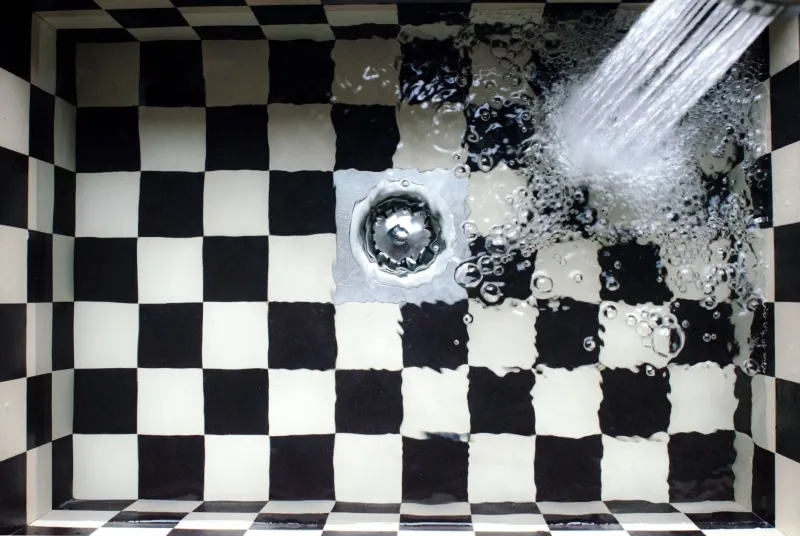
A drain rarely goes from fine to finished overnight. More often, it loses a little speed each month. In Mercer, one reason can be sitting right in the water glass: minerals. Water that carries dissolved calcium and magnesium is often called hard water, and while it is not a health emergency, it can be hard on plumbing. The same deposits that cloud a shower door can build up inside a trap, a disposal line, or an old galvanized pipe. The result is a drain that still works, just not the way it used to.
That slow decline is easy to ignore. Most of us only think about the drain when water is standing in the sink. But scale, the chalky mineral crust that forms when hard water dries or heats, is a patient problem. It does not need a dramatic event. It just needs repetition.
Why hard water can become a drain problem
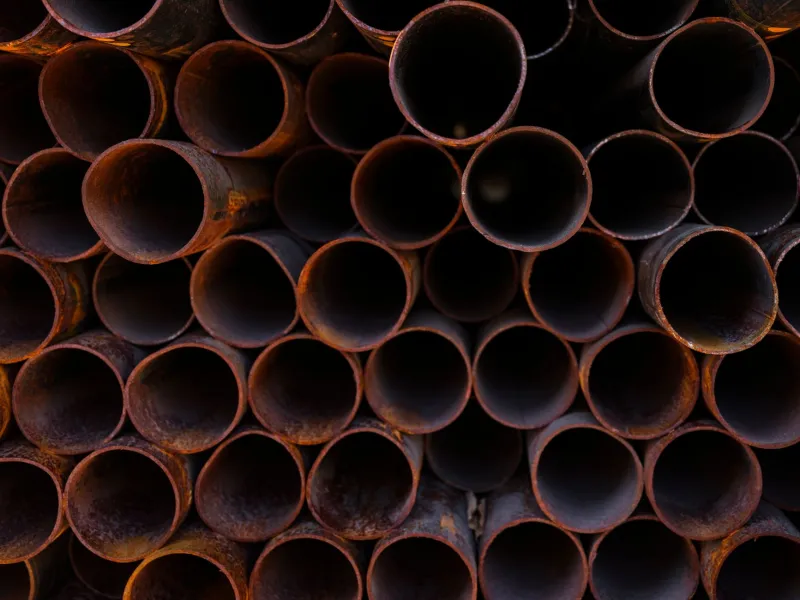
Scale starts as a thin film. Inside a pipe, that film gives soap scum, grease, and hair something to grab. A smooth pipe may let those materials slide through; a rough, scaled pipe holds onto them. In older Mercer homes, cast iron and galvanized steel can already be rough, so mineral buildup has a head start. Hot-water lines and disposal connections may collect scale faster because heat encourages minerals to come out of solution.
Private wells and municipal supplies can both be hard, though the mix varies from street to street and well to well. That is why two neighbors can have very different drain stories. It also means a water softener or whole-house filter may help some homes and do little for others. Testing is the only way to know what you are dealing with.
A room-by-room early-warning checklist
Kitchen
Look for water that rises briefly in the sink and then drains. A disposal that sounds dull or leaves a film can be another clue. Shine a flashlight down the drain after the sink has been quiet for a while; a white, chalky ring around the opening or on the stopper is worth noting. If the disposal line backs up only when you run the dishwasher, scale and grease may be narrowing the same path.
Bathroom
Slow sink drains often get blamed on hair, and hair is usually part of it. But a pop-up stopper coated in rough, crusty film can point to mineral buildup, too. In the tub or shower, watch for water that pools around the drain and takes longer to disappear. A toilet that gurgles when the sink drains is not a scale diagnosis by itself, but it is a sign the drain line is not breathing easily.
Laundry and utility areas
A laundry standpipe that accepts a washer hose but backs up during the spin cycle deserves attention. Soap residue and minerals can narrow the pipe, and lint makes it worse. In the basement, check floor drains for crusty rings or a stale smell after rain. A floor drain that has been painted over or covered by storage is easy to forget until it is needed.
Whole-house clues
One slow fixture is usually a local issue. Several slow fixtures, repeated gurgling, or a sewer smell that comes and goes can point to a shared line. If drains slow down after heavy rain, the problem may be outside the house. If they slow down after holidays or laundry day, the issue may be closer to the fixture. Either way, patterns matter more than a single bad morning.
Maintenance that helps, and shortcuts that do not
Start with information. A water test can tell you whether hardness is high and whether a softener is worth discussing. Simple habits help, too: use drain strainers, avoid pouring grease down the sink, run plenty of water after using the disposal, and clean pop-up stoppers before they turn into a science project. A mild vinegar and baking soda routine can loosen light films in some fixtures, but it is not a cure for a scaled main line, and it should not be used as a substitute for mechanical cleaning.
Be careful with repeated chemical drain cleaners. They can be harsh on older pipes and do not remove scale the way a mechanical cleaning does. If a product promises to melt years of buildup, treat that promise with suspicion. A professional can camera-inspect the line, use appropriate jetting or descaling methods, and tell you whether the problem is scale, grease, roots, or a failing pipe.
When to call before slow becomes stopped
Call for help if more than one fixture is slowing, if the same drain keeps backing up after cleaning, if you hear gurgling from other fixtures, or if you have an older home with cast iron or galvanized pipes. Do not wait for sewage to appear in a basement floor drain. That is a much more expensive kind of calm to restore.
Mercer homes deal with enough weather and seasonal mess without adding a preventable backup. If you suspect mineral scale is narrowing your drains, start with the checklist above, write down what you find, and get a professional opinion before a small annoyance turns into an urgent call. Clear drains are easier to keep than to rescue.