The Salty Trail in Your Utility Room: Where Softener Brine Meets the Floor Drain
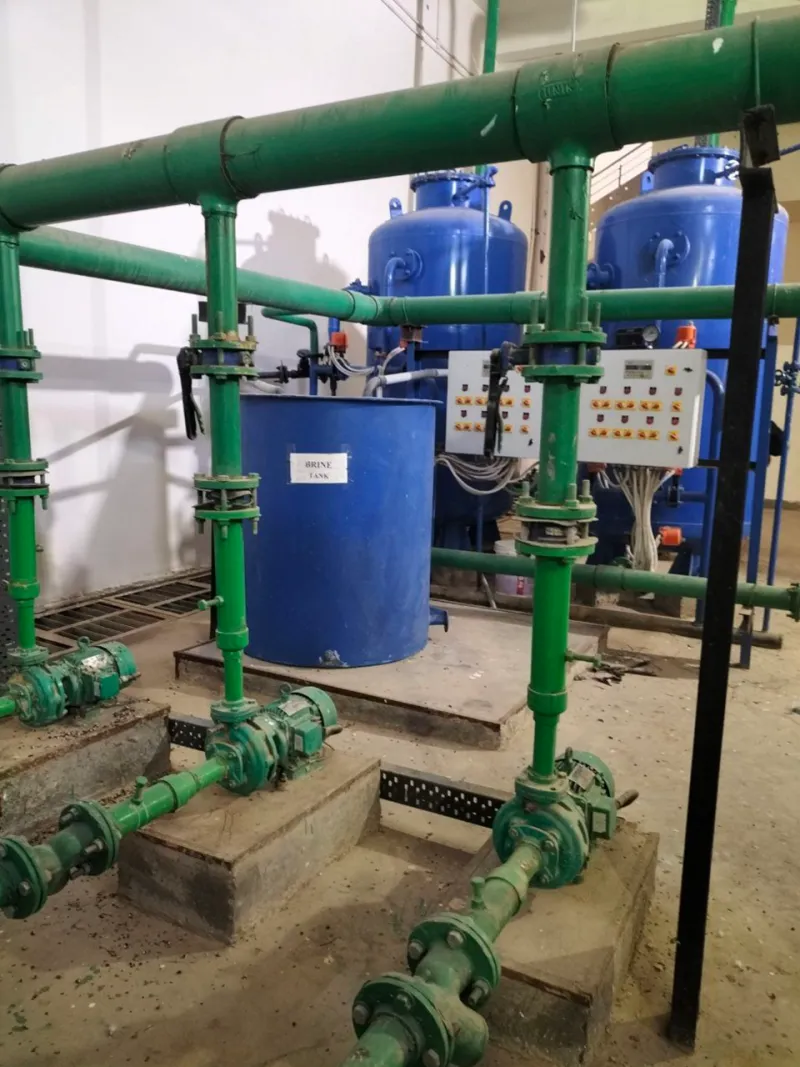
Photo: Ventrovert, CC BY 4.0, via Wikimedia Commons
If your home has a water softener, you probably do not think much about it between salt refills. It softens showers, helps appliances, and generally stays out of the way. But every so often, the system regenerates — and that means a concentrated brine flush has to go somewhere.
In plenty of Mercer-area utility rooms, the landing spot is the floor drain. When everything is set up correctly, that discharge is quick and easy to miss. When something is off, you may notice a white crust, a damp patch, or a drain that suddenly seems sluggish. That is the salty trail worth understanding.
The Regeneration Cycle, Without the Mystery
A softener uses resin beads to trade hard-water minerals for sodium or potassium. Eventually the resin needs a recharge. During regeneration, the system pulls brine from the salt tank, flushes the resin, and sends the leftover water out through a discharge line.
That discharge is not plain water. It carries salt and the minerals the softener has been pulling out of your household water. It needs a safe path to a drain. In a utility room, the discharge line often empties into a standpipe or floor drain with an air gap — a physical separation that keeps wastewater from siphoning back into the softener or your drinking water.
Why the Floor Drain Becomes the Default
Utility rooms tend to cluster the equipment that needs water and drainage: the softener, water heater, furnace, laundry setup, and a floor drain. The floor drain is convenient. It handles small amounts of condensate, occasional washdown water, and the softener’s brine discharge.
But a floor drain is not a garbage disposal for salt. Repeated brine flushes can leave behind salt crystals and mineral residue. Add Mercer’s mineral-rich water and the normal grit that finds its way into a floor drain, and you have the ingredients for a slow-building crust. It may take months, not days. Then one regeneration cycle sends water across the floor instead of down the drain.
What a Salty Floor Drain Looks Like
Start by looking, not pouring. A healthy floor drain should have a clear grate and a trap that holds a little water. Warning signs include:
- A white, gray, or chalky ring around the drain opening
- Salt crystals or a hard crust on the grate
- Damp concrete near the drain after the softener runs
- Gurgling during or after regeneration
- A puddle that appears on a softener schedule
- A musty smell in a room that should stay dry
If the puddle only shows up when the softener regenerates, pay attention to the discharge path. If several drains in the house are slow at the same time, the problem may be bigger than the utility room.
The Air Gap Is Not Decoration
That little gap between the softener’s discharge tube and the drain opening matters. It prevents backflow. The tube should not be stuffed down into the drain, sealed to it, or taped in place. It should end above the flood rim of the drain or standpipe, with the clearance the manufacturer and local plumbing rules call for.
If the tube is jammed into the drain, if there is no air gap, or if the discharge line runs somewhere questionable — a sump pit, a storm drain, or a hidden wall connection — that is not a drain-cleaning fix. It is a plumbing-code question for a licensed plumber. Codes vary by area, and the safe answer is to have the setup reviewed rather than guessed at.
A Simple Monthly Walkaround
You do not need to disassemble anything. Once a month, take a flashlight to the utility room and check a few basics:
- Confirm the discharge line is secure and not kinked.
- Look for salt buildup around the drain and air gap.
- Make sure the floor drain grate is clear of lint, dirt, and debris.
- Watch for damp concrete or standing water after regeneration.
- Check that the brine tank is not overfilled or showing a stuck float.
If the drain has a light crust, warm water and gentle flushing may help, but skip harsh chemical drain cleaners. They can damage pipes and do not solve a salt-and-mineral issue. A hard crust is better handled mechanically.
When It’s a Drain-Cleaning Job
If the floor drain is slow because of salt residue, mineral scale, lint, or ordinary sediment, a drain professional can clear it. A drain cleaning visit may include augering or jetting the line, depending on what is found. The goal is to restore flow and remove the buildup that keeps catching brine.
If the softener discharge is backing up only during regeneration, the drain may be partially blocked — or the discharge volume may be more than the drain can handle. Either way, it is worth diagnosing rather than ignoring. A floor drain that stays damp is also an indoor moisture problem, and those tend to get worse quietly.
When It’s a Plumbing or Equipment Question
Some softener discharge problems are not cleaning issues at all. Call a licensed plumber or softener technician if you see:
- No air gap or a discharge line sealed into the drain
- Brine discharging into a sump pump, yard drain, or storm system
- A softener that runs continuously or overflows
- A discharge line that leaks inside a wall or cabinet
- A floor drain with no trap or a strong sewer smell
Those are setup, code, or equipment concerns. Drain cleaning can restore a clogged line, but it cannot make an unsafe connection correct.
Keep the Utility Room Calm
A water softener is supposed to make life easier, not leave a salty puddle by the water heater. A quick look at the floor drain, the air gap, and the discharge line can catch small problems before they become wet-floor surprises. If your Mercer utility-room drain is slow, crusted, or backing up around regeneration time, Mercer Drain Cleaning can take a look — and we will tell you when the next call should be to a plumber instead.