Small Wings, Big Clue: What Bathroom Drain Flies Reveal About the Film Inside Your Pipes
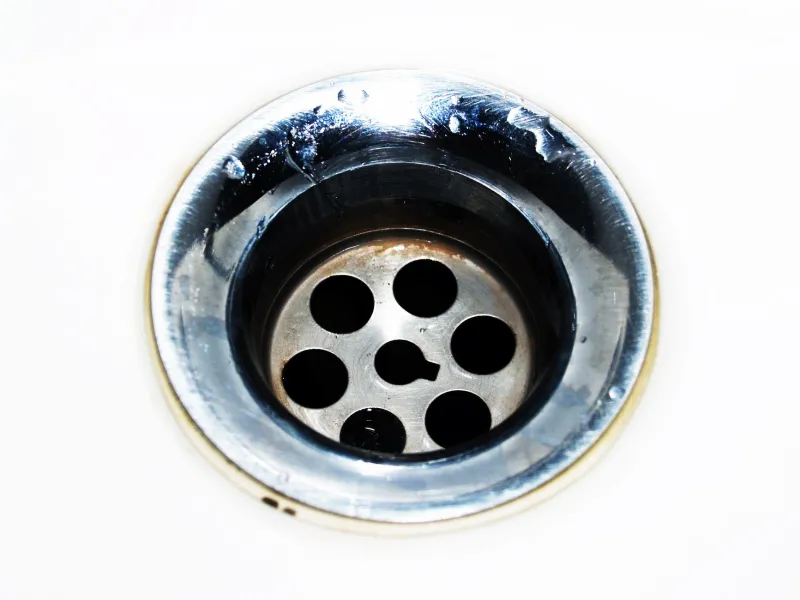
Bathroom drain flies have a way of making a clean room feel suddenly less clean. You notice a few tiny, fuzzy-winged insects near the sink, then a few more near the shower drain. They don’t bite. They aren’t usually dangerous. But they are messengers. The wet film inside your drain, overflow, or trap is giving you information about moisture and buildup that’s easy to ignore until the flies make it visible.
First, Make Sure They’re Actually Drain Flies
Drain flies are also called moth flies, and the name fits. They’re small, dark, and fuzzy, with wings that look a little like tiny moth wings. They tend to fly in short, hopping bursts and land near drains, sinks, showers, and overflows.
Fruit flies are the usual mix-up. Fruit flies are smoother, often have reddish eyes, and hover around ripe fruit, trash, or a forgotten bag of potatoes. If the insects are concentrated in the bathroom and seem to appear from the drain itself, drain flies are the better bet.
The Wet Film Is the Real Clue
That slippery film inside a drain isn’t just soap scum. It’s a mix of hair, skin cells, body oils, soap residue, bacteria, and moisture. For drain flies, it’s a nursery. The adults lay eggs in the film, and the larvae feed on it. Cleaning the visible sink basin without cleaning the overflow and drain opening is like wiping the counter while leaving the crumbs in the drawer.
If the film returns quickly after cleaning, or if the drain stays damp between uses, pay attention. Drain flies need moisture. A drain that never fully dries out is an invitation.
Step 1: Inspect the Places You Don’t Usually Look
Start with a flashlight. Check the sink overflow hole, the pop-up stopper, the shower drain cover, the floor drain, and the base of the toilet. In older Mercer bathrooms, overflows and traps can collect film for years without anyone noticing.
Look for slow drainage, a musty smell, or a dark slick around the drain opening. If you have a basement bathroom or a guest bath that’s rarely used, check whether the trap has gone dry. A dry trap can let sewer gas and moisture issues sneak in, and it can make the whole room feel damp.
Step 2: Clean Physically Before Reaching for Chemicals
Drain flies don’t surrender just because you pour something strong down the drain. The film has to be disturbed and removed. Use a small brush—an old toothbrush works well—to scrub the overflow and around the drain opening. Remove the pop-up stopper if you can and clean the gunk that collects on it.
For shower and floor drains, lift the cover and scrub the accessible surfaces. Hot soapy water and a little elbow grease go a long way. If you use a drain cleaner, read the label and follow it carefully. Never mix bleach and vinegar or other cleaners. Ventilate the bathroom, and don’t use chemical drain cleaners as a substitute for physical cleaning.
An enzyme-based drain treatment can help break down organic film over time, but it works best after the visible gunk is gone.
Step 3: Dry the Room Out
Drain flies need standing moisture and organic film. Fix drips, wipe down wet surfaces, and run the exhaust fan during and after showers. If the bathroom stays humid, the problem will keep coming back. Check for a leaky faucet, a slow toilet tank leak, or water stains around the base of the toilet.
In Mercer’s humid stretches, bathrooms without good ventilation can stay damp long after the shower ends. A fan that runs for twenty minutes after use, or a window cracked when weather allows, makes a difference.
Recurring Flies Mean Something More Than a Dirty Drain
If drain flies return a week or two after a thorough cleaning, don’t just clean again and hope. Recurring activity can point to a trap issue, a leaking drain line, a ventilation problem, or a moisture source you haven’t found.
Watch for gurgling drains, sewage smells, water stains on ceilings below the bathroom, or multiple drains producing flies. A broken or loose trap can hold film out of reach. A venting problem can keep a drain from drying properly. In some cases, the issue is farther down the line than a hand brush can reach.
When to Call a Drain Professional
Call a professional if you’ve cleaned the drain and overflow thoroughly and the flies still return, if more than one drain is affected, or if you notice slow drainage or odors. A drain pro can inspect the trap, snake the line if needed, and check whether venting or a pipe issue is keeping the drain wet.
Drain flies are small, but they’re honest. They show up where moisture and organic film have settled in. A little investigation, a real cleaning, and a drier bathroom routine will handle most cases. If the flies keep coming back, let a professional read the rest of the story.