The Laundry Room Flood You Won’t Hear Coming: A Mercer Homeowner’s Hose-and-Standpipe Check
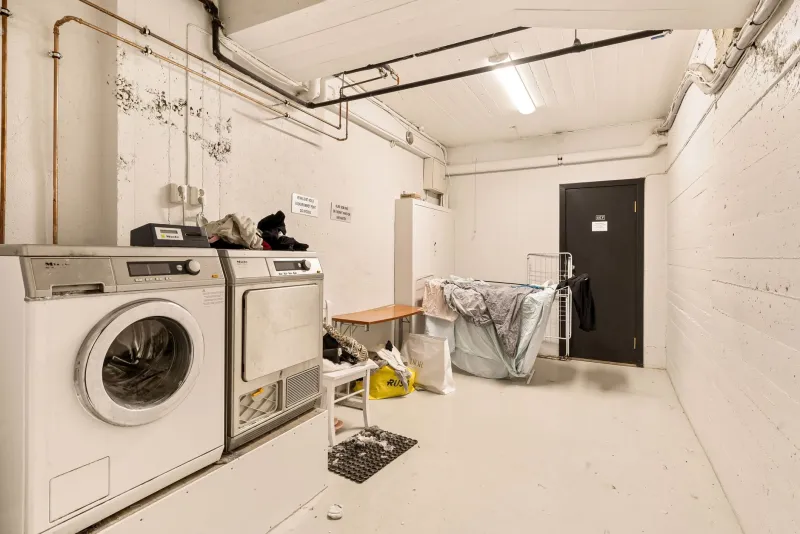
Laundry is one of those chores that feels safe because it’s routine. You sort, you load, you press start, and you walk away. But the drain side of a washing machine is a different story. It’s pressurized during the drain cycle, often tucked behind the machine, and easy to ignore until water is spreading across a utility room floor.
In Mercer-area homes, laundry setups vary a lot. Some machines sit in a basement next to a floor drain. Some are in a closet off the kitchen. Others are upstairs in a newer laundry room with a pan. The common thread is that the drain hose and standpipe do a lot of quiet work—and they deserve a quick look before a normal wash day turns into a wet-vac day.
The Hose You Can’t See Is Doing the Heavy Lifting
The drain hose is the corrugated tube that carries dirty water out of the washer and into the standpipe. It’s usually black or gray, and it lives behind the machine where nobody thinks about it. That’s exactly why it’s a common source of surprises.
Look for cracks, soft spots, bulges, or white crusty buildup near the ends. A hose that feels brittle or has been kinked behind the machine is a candidate for replacement. Check the clamp or connection at the washer and at the standpipe. If the hose is loose enough to pop out during the drain cycle, it can spray water with surprising force.
Don’t tape a failing hose and call it done. A replacement hose is inexpensive compared with water damage. While you’re back there, make sure the hose isn’t pinched or routed in a sharp bend. A restricted hose puts more strain on the washer’s pump and makes backups more likely.
Standpipe Height Matters More Than Most People Realize
The standpipe is the vertical pipe that receives the drain hose. It isn’t just a hole in the wall. It has a job: it gives wastewater somewhere to go while preventing backflow and siphoning. Typical residential standpipes are around 30 to 36 inches tall, though local requirements can vary. If the standpipe is too short, water can splash out or siphon incorrectly. If it’s too tall, the washer pump may struggle.
You don’t need to remodel your laundry room today. You do need to notice the symptoms. Does the standpipe gurgle loudly during drain? Does sudsy water rise near the top? Does the hose ever jump out? Those are clues that the drain is restricted, the standpipe is undersized, or the venting isn’t keeping up.
Also check the top of the standpipe for lint and detergent residue. A collar of gunk can narrow the opening and send water sideways.
Lint and Detergent Residue Build a Slow Clog
Washing machines are designed to remove dirt, but some of that dirt, lint, and detergent residue stays behind in the hose and standpipe. Over time, it forms a slick coating that narrows the path for water. The drain still works—until it doesn’t.
Signs of a developing laundry drain clog include slow draining, a musty smell in the laundry area, suds backing up into the standpipe, and water pooling around the base of the machine after a drain cycle. If you have a laundry sink nearby, pay attention to whether it drains slowly too. Shared drain lines can point to a clog farther down the line.
Clean the washer’s lint filter if it has one, use the recommended amount of detergent, and avoid cramming every load with extra soap. More suds don’t mean cleaner clothes, but they do mean more residue in the drain.
The Drain Pan and Shutoff Valves Are Your Backup Plan
If your washing machine sits in a pan, make sure the pan is actually doing its job. It should be under the machine, not cracked, and connected to a drain if your setup allows it. A pan won’t stop a full hose failure, but it can catch slow drips and buy you time.
Know where the washing machine shutoff valves are before you need them. Turn them gently to make sure they aren’t stuck. In older Mercer homes, these valves sometimes haven’t been touched in years. If a valve feels stiff or starts to weep when you test it, stop and call a plumber rather than forcing it.
A leak sensor or automatic shutoff valve is worth considering if your laundry room is upstairs, over a finished ceiling, or next to stored belongings. You don’t have to be a gadget person to appreciate a little warning before water reaches the floor.
A Five-Minute Check Before the Next Load
Pull the machine out enough to see the hose and connections. Look for cracks, kinks, and loose clamps. Check the standpipe opening for lint. Confirm the pan is clear. Run a small load and stay nearby for the drain cycle. Listen for gurgling and watch for water at the base of the machine or around the standpipe.
If you’re heading out for the day, don’t start a load you won’t be around to hear. During the busy holiday season, when extra towels and table linens pile up, it’s tempting to run back-to-back cycles. Give the drain a break between loads and keep an eye on the standpipe.
When It’s Time to Call a Pro
Call for help if water backs up in the standpipe, the hose keeps popping out, the laundry drain is consistently slow, or you smell sewage in the laundry area. Those can point to a partial clog, a venting problem, or a standpipe that wasn’t set up for your machine. A drain professional can snake the line, check the trap and vent, and tell you whether a simple repair or a larger fix is needed.
A washing machine flood rarely announces itself with a dramatic bang. It usually starts with a small weakness—a tired hose, a restricted standpipe, a clog that’s been growing for months. A few minutes of checking now is a calm-home bargain.