What’s Pooling Under the Crisper Drawer? A Mercer Guide to Fridge Drain Lines
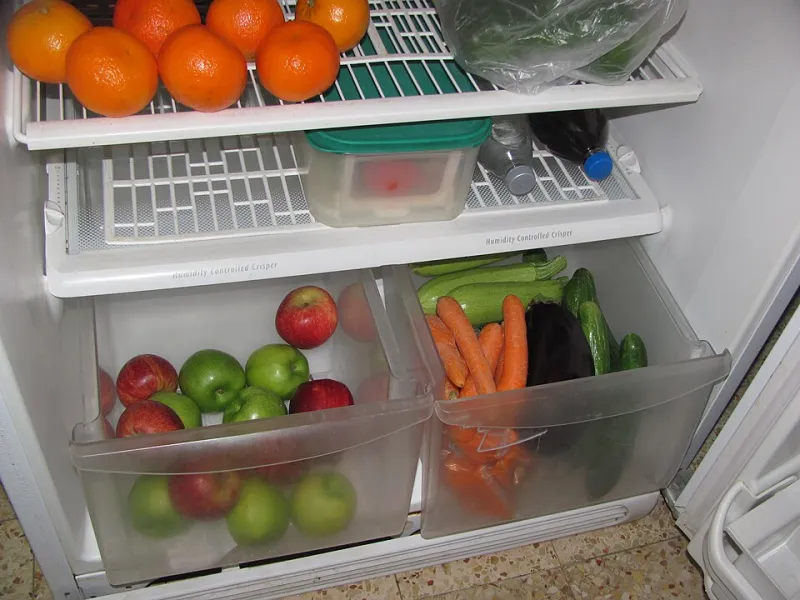
Photo: Yoninah, CC BY-SA 4.0, via Wikimedia Commons
Most of us treat the refrigerator like a closed box. It hums, it keeps the milk cold, and as long as the ice maker is doing its thing, we don’t ask many questions. But tucked into the back of the freezer compartment is a small drain line that handles meltwater during the defrost cycle. When that line clogs, the water has to go somewhere — and that somewhere is often under the crisper drawers or across your Mercer kitchen floor.
It is not glamorous plumbing. It is not the kind of drain you show off to guests. But it is plumbing all the same, and it is worth knowing about before a slow leak starts warping the floor or swelling the bottom of your cabinets.
The Tiny Drain You Never See
Frost builds up on the freezer coils during normal operation. The refrigerator periodically warms those coils just enough to melt the frost, and the resulting water drips into a trough. From there, it runs down a drain tube toward a shallow pan near the compressor, where it usually evaporates.
That system works quietly for years — until the drain opening gets blocked by crumbs, food particles, dust, or the mineral deposits that are common in this area’s water. Once the tube is restricted, meltwater backs up in the freezer floor or spills out inside the refrigerator. You may notice it as a puddle under the vegetable drawers first, because that is where the water tends to collect before it finds a path to the kitchen floor.
Warning Signs That Point to the Fridge Drain
A clogged refrigerator drain does not always announce itself with a dramatic flood. More often, it leaves a trail of small clues:
- Water pooling beneath the crisper drawers or along the bottom of the refrigerator interior.
- A puddle on the kitchen floor near the front or sides of the fridge.
- Ice buildup on the freezer floor or around the back wall.
- A musty smell inside the refrigerator or near the base.
- The refrigerator running longer than usual, especially if ice is interfering with the defrost system.
- Soft or discolored flooring, swollen cabinet toe kicks, or bubbling paint near the appliance.
If you see any of these, resist the urge to simply wipe up the water and move on. The puddle is a symptom. The clog is the cause.
A Careful DIY Check
You can inspect the drain line yourself if you are comfortable moving the refrigerator and working gently around plastic parts. Start by unplugging the fridge. Pull it away from the wall far enough to reach the back, and protect the floor while you work. Have towels and a shallow pan ready.
Inside the freezer, look for the drain hole at the back of the compartment, usually beneath the evaporator coils. Remove any obvious ice or food debris around the opening. A turkey baster with warm — not boiling — water can help thaw a small ice plug. Then use a flexible tube or a plastic drain brush to gently work through the line. Do not use sharp wire, and do not force anything hard into the drain; refrigerator plastic is easy to crack.
At the back of the refrigerator, locate the drain tube and the evaporator pan underneath. If the tube is accessible, check for sludge or debris at the outlet. Clean what you can reach, then reassemble everything and plug the fridge back in. Watch for water the next time the defrost cycle runs.
A word of caution: boiling water can damage plastic components, and chemical drain cleaners have no business in a refrigerator drain line. They can splash, leave residue, or damage the tubing.
When It Is Time to Call a Pro
Some fridge drain clogs are simple. Others are stubborn for a reason — hardened mineral scale, a blockage deep in the line, or a drain design that is hard to reach without disassembling part of the appliance. If you have cleared the visible opening and the water returns, or if the clog keeps coming back every few weeks, that is a good sign to stop repeating the same fix.
Call a professional if you see water spreading under the flooring, if the cabinet base is soft, if the refrigerator is not cooling properly, or if you cannot access the drain without pulling apart panels you are not comfortable touching. A drain technician can clear the line and check whether the water has already found its way into places it should not be.
The refrigerator drain line is a small detail in a busy kitchen, but it is one of those details that rewards a little attention. A few minutes of checking now can spare you a soggy floor, a musty smell, or a repair bill that has nothing to do with keeping the food cold.