The Rim’s Narrow Secret: Cleaning Your Bathroom Sink Overflow Without Wrecking the Finish

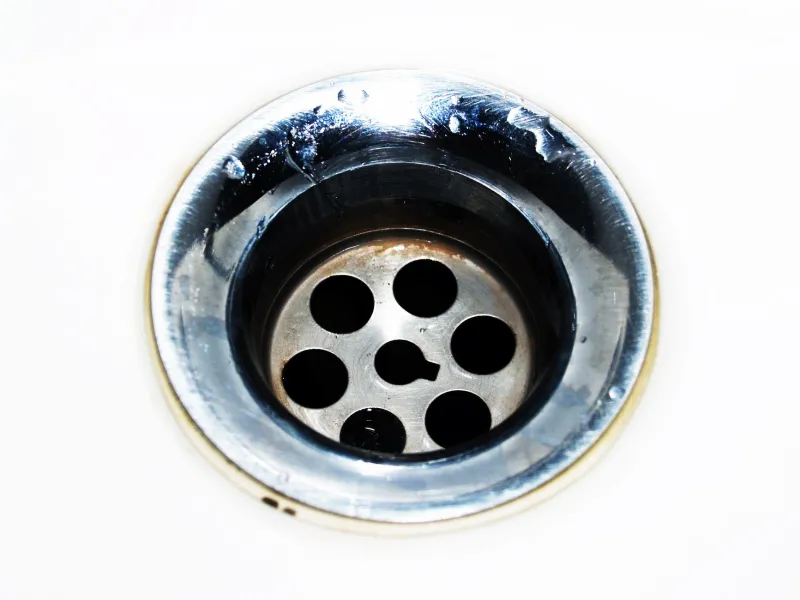
Photo by Photo by Sasikan Ulevik on Unsplash on Unsplash
You wipe the faucet, scrub the basin, and maybe even polish the drain stopper. But there’s a good chance the narrowest opening in your bathroom sink never gets a second glance. That slim slot near the rim — the overflow — looks like a design afterthought. In reality, it’s a working part of your plumbing, and in plenty of Mercer-area homes it’s where soap, toothpaste, and biofilm quietly settle into a sour-smelling film.
The overflow isn’t there to be pretty. It’s there to give water somewhere to go if the basin starts filling faster than it can drain. But because it’s dark, damp, and hard to reach, it also makes a cozy home for the kind of grime that never shows up on a cleaning checklist.
What that skinny opening actually does
Look under the sink and you’ll usually see a curved channel or a short internal passage connected to the main drain assembly. The overflow slot feeds into that passage. When the basin fills too high, water slips through the slot and into the drain instead of spilling over the rim and onto your floor.
That makes the overflow a small safety feature. It also makes it a dead-end-ish tunnel where water moves slowly, air stays humid, and residue has time to stick. In older Mercer homes, the passage may be narrower than expected, partly scaled from years of mineral-rich water, or fitted with a plate that has seen better decades.
Why the overflow gets funky in the first place
Everyday bathroom habits feed this area without anyone meaning to. Toothpaste foam, soap scum, shaving cream, mouthwash residue, loose hair, and skin cells all rinse toward the drain. Some of that material catches along the overflow channel instead of making a clean exit.
Add Mercer’s hard water to the mix and the film gets even more stubborn. Minerals can bind with soap residue and create a crusty layer that holds odor. Over time, that layer becomes biofilm — a slick, living film of bacteria that thrives in damp spots. The result is often a faint musty or sour smell that seems to come from nowhere, especially in a guest bathroom that doesn’t get used every day.
The overflow can also contribute to sluggish drainage, though it’s rarely the only culprit. If the slot is clogged with gunk, water may back out of it when the faucet runs. That’s a sign the channel needs attention, not a reason to pour in the strongest cleaner you can find.
A safe cleaning routine that respects the finish
Start with a flashlight and a dry paper towel. Look into the slot and note whether you see soft film, crusty buildup, or a loose overflow plate. If the plate is screwed on and feels secure, you can usually remove the screw or screws to reach the channel behind it. If it’s caulked in place, don’t pry — stop there and clean from the slot side.
Use a soft bottle brush, a pipe cleaner, or a small nylon brush. Avoid wire brushes and abrasive pads, which can scratch polished finishes and leave places for grime to grab. Warm water with a drop of mild dish soap is enough for routine film. For mineral crust, a diluted white vinegar solution can help soften deposits, but rinse thoroughly afterward and don’t let it sit on delicate finishes.
Work gently. A plastic zip tie or soft brush can help loosen film inside the slot, but don’t force anything deep into the passage. If the overflow plate comes off, clean behind it with a soft cloth, rinse the channel with warm water, and reinstall the plate snugly. Don’t overtighten old screws — plastic and pot metal can crack.
Finally, run the faucet and watch the slot. Water should move into the overflow without backing up. If it still burps or drains slowly, the problem may be deeper than surface film.
Warning signs that mean it’s time for a pro
A little cleaning goes a long way, but some overflow issues need more than a brush. Call a drain professional if the smell returns within days of cleaning, if water backs out of the slot when the faucet runs, or if the overflow plate is loose, cracked, or missing. A persistent odor can point to biofilm deeper in the drain assembly, and water backing out can signal a blockage in the channel or the main drain line.
Also pay attention to repeated slow drainage in the same sink, rust stains around the overflow, or a plate that won’t sit flat. Older Mercer bathrooms sometimes have overflow passages that are partially scaled shut or fittings that are past their prime. Trying to force a repair can turn a small cleaning job into a bigger plumbing visit.
A small habit for calmer bathrooms
You don’t need to deep-clean the overflow every week. A quick monthly check is usually enough — especially in guest bathrooms, kids’ bathrooms, and the sink that doubles as a shaving station. Wipe the slot, flush it with warm water, and look for looseness or backflow. If you’re expecting holiday company, give it a two-minute inspection before the house fills up.
Clear drains make calmer homes. If your bathroom sink’s overflow has moved past “a little grimy” and into “something’s not right,” Mercer Drain Cleaning can take a look and help you sort it out before it becomes a bigger mess.