The Lawn Patch That Stays Green: Decoding Tree Roots in Your Sewer Line
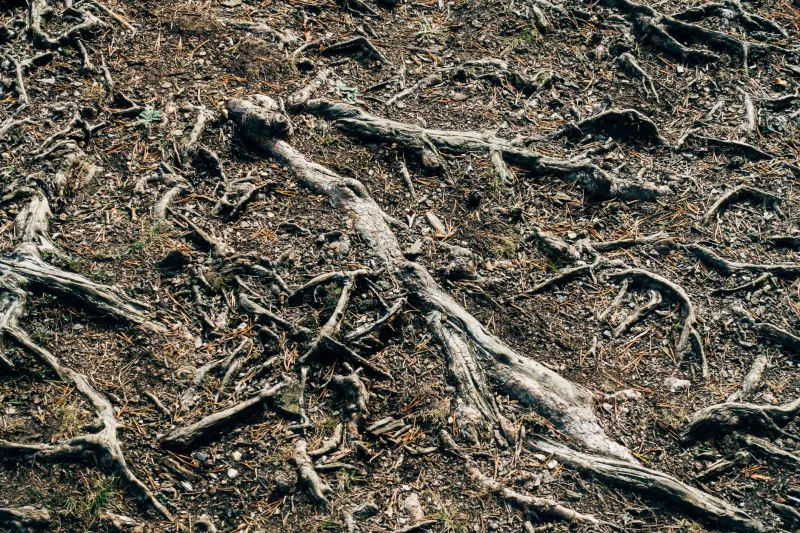
In Mercer-area neighborhoods, the trees were here first. Mature oaks, maples, and the shrubs along the fence line have had decades to send roots deep and wide. Your sewer line, meanwhile, is an underground highway carrying warm water, moisture, and nutrients. To a root, that is not a property-line issue. It is an invitation.
Most roots do not break into a pipe in one dramatic moment. They find a hairline crack, a loose joint, or a tiny gap where older clay tile or cast iron has shifted. A root tip thinner than a human hair slips in, then expands as it feeds. Over months or years, the root mass can catch grease, paper, and wipes, turning a small intrusion into a slow, gurgling backup.
Roots Are Looking for Water, Not Property Lines
A common assumption is that the tree closest to the sewer line is the culprit. Often, it is not that simple. Roots can travel a surprising distance underground, especially in dry spells when they are hunting for moisture. The tree could be on your side of the fence, your neighbor’s side, or in the strip between the sidewalk and the street. Roots do not read deeds, easements, or landscaping plans.
Older pipes are more vulnerable because their joints were not designed with modern root barriers in mind. Even newer lines can be invaded at a poorly seated connection. If you have large trees anywhere near the main line and your home is more than a few decades old, root intrusion is worth keeping on your radar.
The Clues Homeowners Usually Miss
The first sign is often not a full-blown backup. It is a fixture that gurgles when another one drains. Maybe the toilet bubbles when the washing machine empties, or the tub drains slowly while the bathroom sink seems fine. Those little noises can mean air is being pulled through a partially blocked main line.
Other clues can show up outside. A strip of grass above the sewer line that stays greener than the rest of the yard, even in dry weather, is a classic hint. So is a soft, soggy patch that does not match the rest of the lawn. If you notice a sewage smell outdoors or water pooling near a cleanout, stop treating it as a minor annoyance.
Inside, repeated backups at the lowest drain in the house are a red flag. A single slow sink is usually a local clog. Multiple fixtures acting up, especially after heavy water use, points more toward the main line.
Why Repeated Drain Cleaner Can Make Things Worse
A bottle of chemical drain cleaner can feel like the fast, cheap fix. Sometimes it clears enough gunk to make the drain flow again for a while. But roots are not grease. A chemical cleaner may kill the root tips it touches, yet the root mass remains in the pipe, ready to catch debris again.
There is a bigger issue, too: repeated chemical use can be hard on older pipes. It can weaken joints, accelerate corrosion, and make cracks worse. If a plumber later needs to work on the line, residual chemicals can also create a safety concern. Using a drain cleaner once on a slow bathroom sink is one thing. Pouring it into a main-line problem again and again is often a way to spend money while the real issue grows.
What a Camera Inspection Actually Shows
A camera inspection is not magic, but it is useful. A technician feeds a small camera through a cleanout into the main line. The camera shows the pipe material, the condition of the joints, and whether roots are present. It can also reveal cracks, offset joints, sagging sections, grease buildup, and other defects that a snake cannot diagnose.
The key is what you ask for. A good inspection should tell you where the problem is, roughly how far into the line it sits, and what the pipe looks like around it. Ask whether you can see the footage or get a recording. Ask whether the recommendation is to snake, jet, repair, or simply monitor. And ask what happens if roots come back — because with roots, recurrence is the common outcome unless the entry point is addressed.
Snaking, Jetting, or Repair? Questions to Ask First
Snaking, or cabling, can cut through a root mass and restore flow. It is often a reasonable first step for a mild intrusion. Hydro-jetting uses high-pressure water to scour the pipe and can clear roots and buildup more thoroughly, but it is not right for every pipe condition. If the pipe is cracked or collapsed, aggressive cleaning can make things worse.
Before anyone snakes the main line, ask a few plain questions: Is there an accessible cleanout? Will you camera the line before or after cleaning? Can you tell me whether the pipe is damaged or just blocked? What is the plan if roots return in a few months? A company that welcomes those questions is usually one that wants a lasting fix, not just a quick sale.
When to Watch, When to Call, When to Stop Waiting
If one fixture is slow but everything else drains normally, you can watch it for a day or two and avoid chemical shortcuts. Call for help if you have gurgling across multiple fixtures, repeated backups, a suspicious green patch in the yard, or a sewage smell you cannot explain. If raw sewage is backing into the basement or a tub, treat it as an urgent problem and keep people and pets away from the area.
Roots are persistent, but they are also predictable. Know where your cleanout is, avoid planting new trees or shrubs directly over the line, and skip the flushable wipes that tend to snag on root hairs. If your home is older and you have never had the main line looked at, a camera inspection can turn a mystery into a manageable maintenance item. In Mercer, the trees are part of what makes the area feel like home. A little attention underground keeps them from becoming an expensive surprise.